The Real Cost of Running an Electric Car in 2025
Published: June 5, 2026 · 9 min read · UK, USA & Europe
Everyone says electric cars are cheaper to run. But what do the actual numbers look like on your street, with your electricity tariff, and your daily commute? Here is what the data really shows.
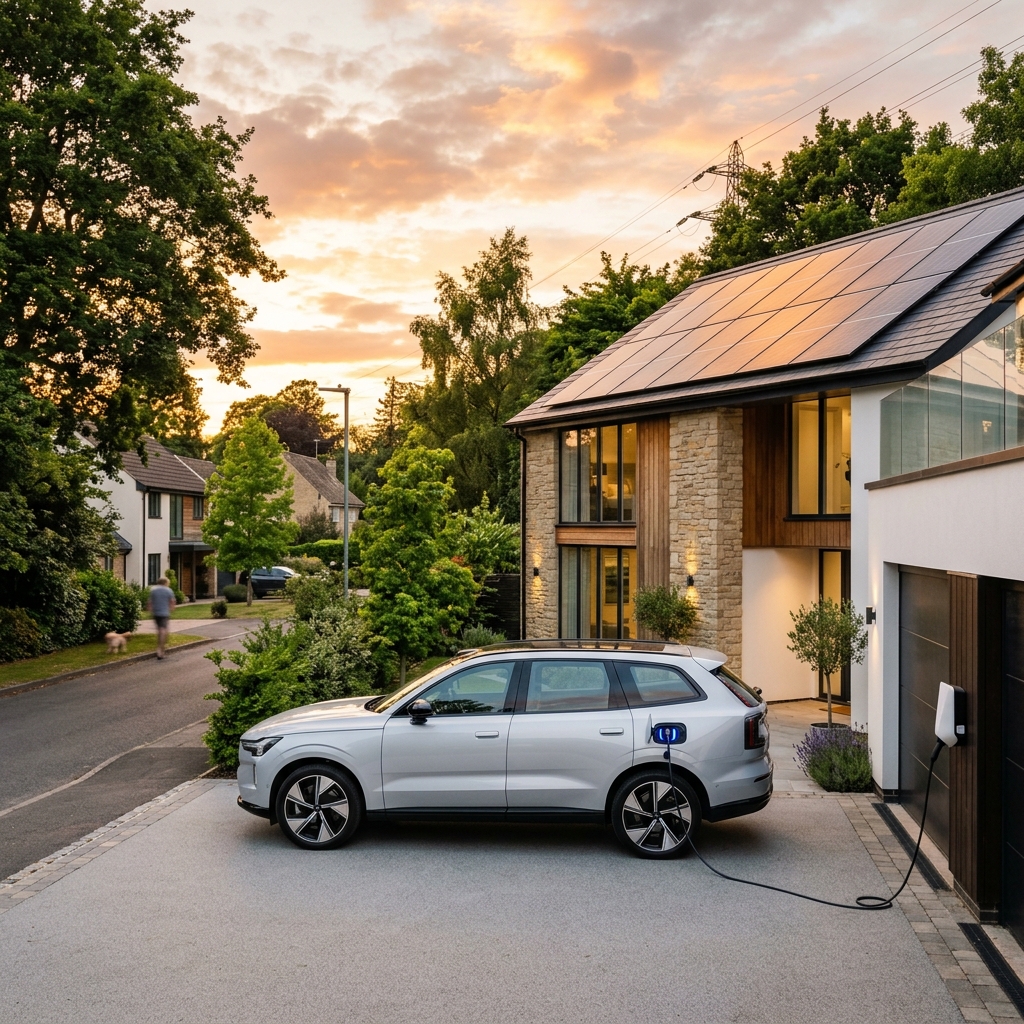
Why People Are Switching — and Where the Confusion Starts
In 2025, more than 1 in 5 new cars sold across Europe is electric. In the UK, EV registrations hit record highs. In the US, federal tax credits have brought more buyers into the market than ever. Yet there is still a stubborn myth that electric cars cost as much to run as petrol vehicles. That confusion comes from one source: people comparing the wrong costs.
The real savings are not at the forecourt. They happen quietly, every night, while your car charges at home. And once you understand the numbers, the shift feels obvious.
What Home Charging Actually Costs
A typical electric vehicle carries a 60–77 kWh battery. Charging that from near-empty to full costs:
| Region | Standard Tariff (full charge) | Off-Peak Tariff (full charge) | Est. Annual Savings vs Petrol |
|---|---|---|---|
| 🇬🇧 UK | £10 – £18 | £3 – £6 | £500 – £1,100 / yr |
| 🇺🇸 USA | $10 – $12 | $5 – $8 | $800 – $2,700 / yr |
| 🇪🇺 Europe (avg) | €9 – €20 | €4 – €9 | €600 – €1,400 / yr |
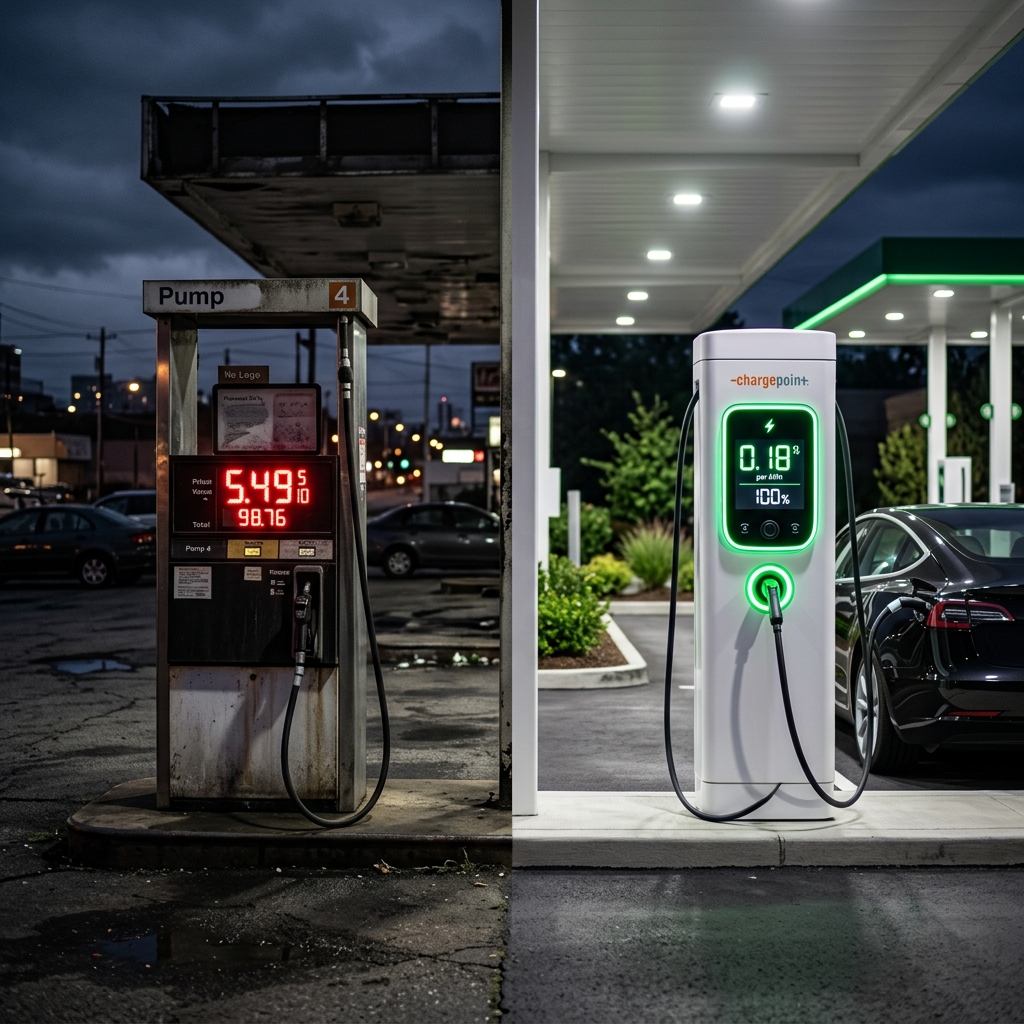
The off-peak numbers are where EV ownership transforms from "slightly cheaper" to "dramatically cheaper." Both the UK and US have time-of-use electricity tariffs that let you charge overnight for roughly half the daytime rate. Set your car to charge at 1am and you are, in the UK, paying around 7p per kWh on some tariffs. That is genuinely fuel at a fraction of the cost of petrol.
The Cost Per Mile That Changes Everything
The most useful comparison for any driver is cost per mile (or kilometre). A petrol car averaging 35 MPG at £1.50 per litre (UK current average) costs approximately 19–21p per mile to fuel. The typical EV, at 3.5 miles per kWh, costs around 2p per mile on an overnight off-peak tariff or 5–7p on a standard home rate.
On 10,000 miles of annual driving, that difference adds up to between £1,200 and £1,700 in your pocket — every year, without you doing anything different except plugging in at night.
Key insight: In the USA, EV drivers pay roughly $0.05 per mile for electricity vs $0.13 per mile for petrol at $3.50/gallon. That is more than 60% less per mile — and that gap widens every time fuel prices rise.
Maintenance: The Hidden Saving Nobody Talks About Enough
Running costs are not just fuel. EVs have fundamentally fewer moving parts than combustion engines. No oil changes. No timing belt replacements. No exhaust systems. No clutch wear on manual variants. Studies consistently show EV maintenance costs run 35–40% lower than equivalent petrol cars over their lifetime.
For a family car driven 10–12 years, that means saving another £3,000–£5,000 in servicing costs over the vehicle's life — on top of fuel savings. The total cost of ownership, when calculated over five to seven years, typically favours the EV significantly even where the purchase price is higher.
What About Range Anxiety in 2025?
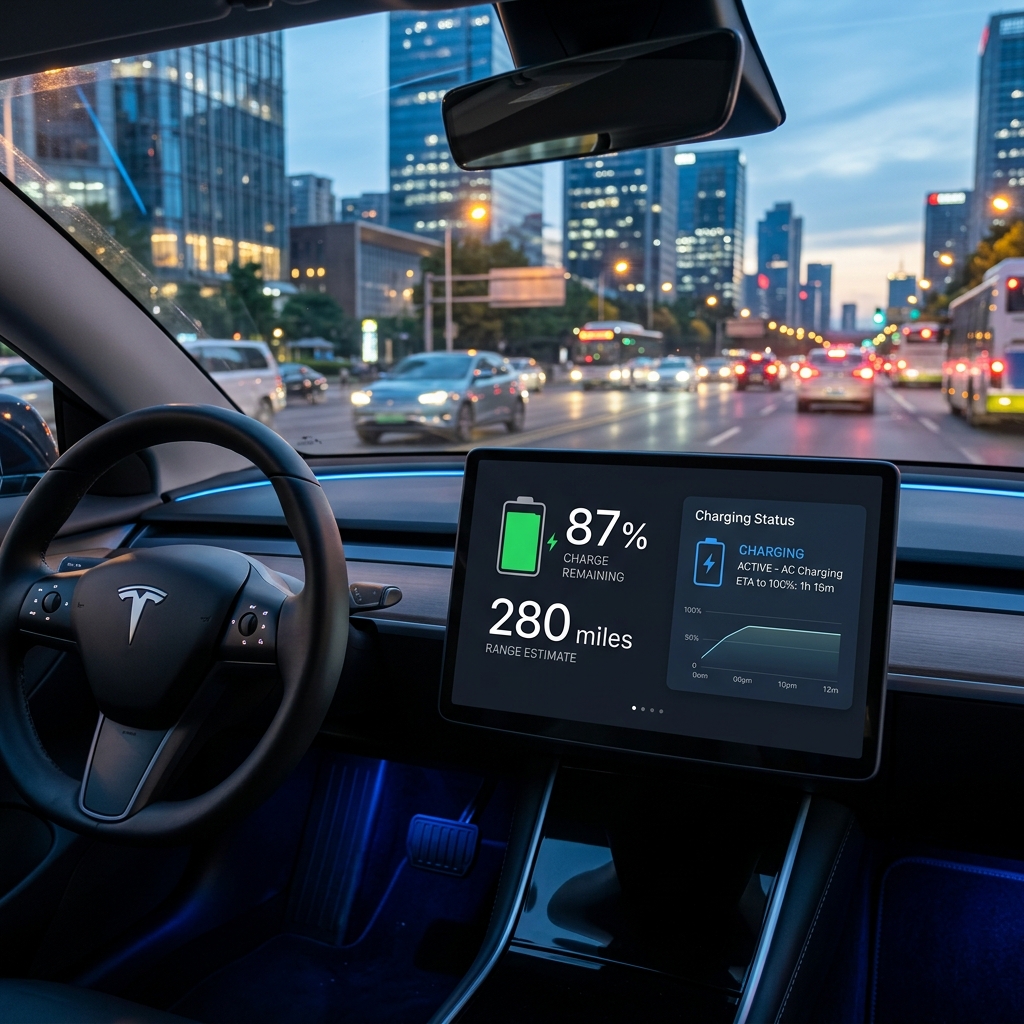
The question that held millions back in 2020 has largely been answered. The mainstream EV market in 2025 offers 250–350 miles of real-world range as standard. The UK now has over 64,000 public charging connectors. Europe has exceeded 700,000 public charge points. In the US, NEVI-funded corridors have made cross-state EV travel genuinely practical.
The reality that data backs up: the average European driver travels 28 miles per day. The average UK commuter covers 20 miles. With home charging, most EV drivers plug in twice a week at most, and never think about range in daily life.
Government Incentives Still Available in 2025
Incentives vary, but they remain significant in all three target markets:
- USA:The Inflation Reduction Act's $7,500 federal EV tax credit remains available for qualifying vehicles under the income threshold. Used EV credits of up to $4,000 are also accessible.
- UK: Company car drivers benefit from Benefit-in-Kind tax at just 2% for fully electric vehicles — a saving of £4,000–£7,000 annually versus an equivalent petrol car in the same tax bracket.
- Europe: Germany, France, and the Netherlands continue regional purchase grants and zero-emission zone incentives that effectively reduce the total cost of EV ownership.
Calculate Your Personal EV Savings
Enter your mileage, current fuel costs, and electricity rate. Get a precise monthly and annual savings figure tailored to your situation.
📍 Quick-select your region
🚗 Driving & Fuel Variables
💡 Tip: Average US electricity rate is ~$0.15/kWh. A typical EV gets ~3.5 mi/kWh. Gas averages ~25 MPG nationally.
⚡ Popular EV Models — click to auto-fill
Your Estimated Savings
Yearly Fuel Savings
Money kept in your pocket every year.
Monthly Gas
$170
Monthly EV
$52
Monthly Savings
$118
📊 5-Year Cost Comparison
🌱 CO₂ Saved Per Year
3,496 kg
≈ 166 trees worth of carbon/year