Are Solar Panels Worth It in 2025? A Homeowner's Honest Assessment
Published: June 5, 2026 · 10 min read · UK, USA & Europe
Solar panels are not for everyone. But for millions of homeowners right now, they are one of the best-returning financial decisions available. Here is how to work out which side of that line you stand on.
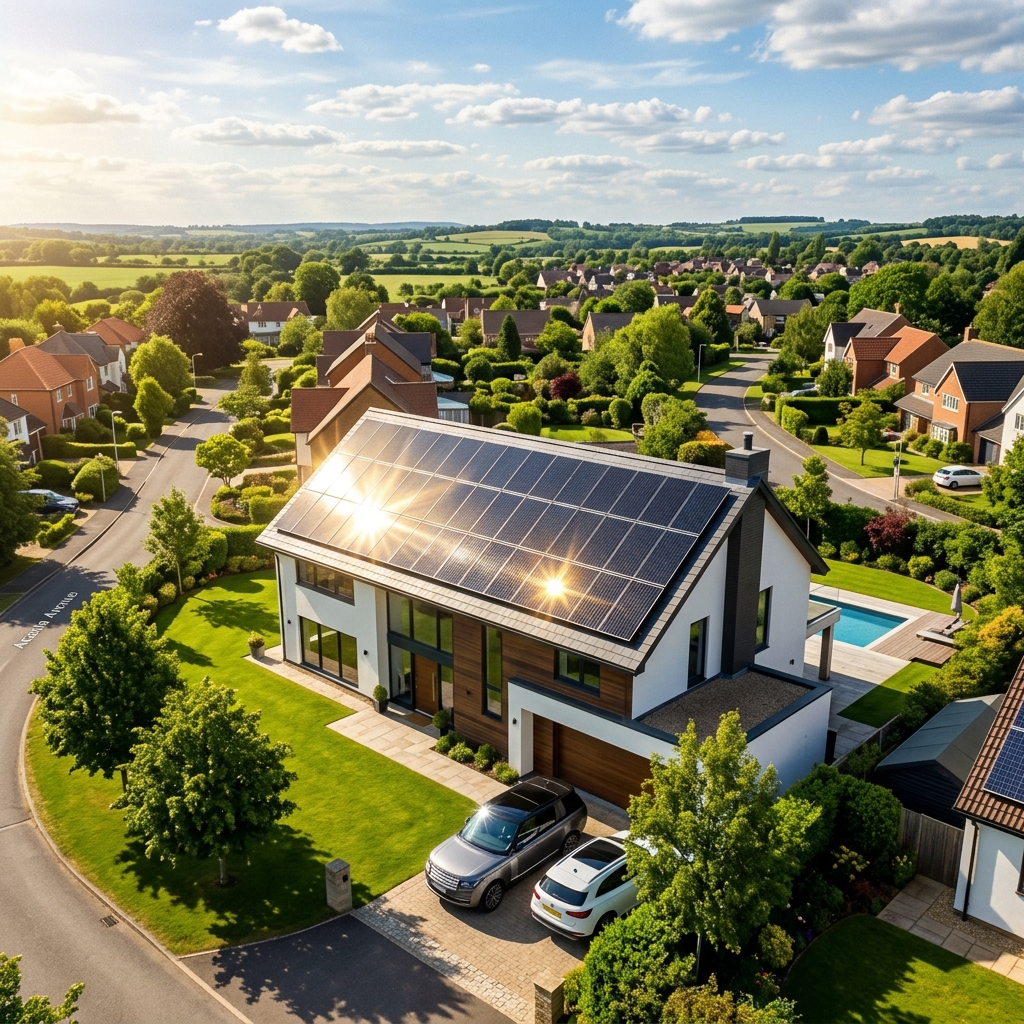
The Question Behind the Question
When someone asks "are solar panels worth it?", they are usually asking three different things at once. Will they save me money on bills? How long before I break even? And — honestly — is this the right moment to commit, or should I wait for prices to fall further?
The answers in 2025 are clearer than they have been at any point in the last decade. Panel prices have fallen 90% since 2010 and have largely stabilised. Electricity prices, by contrast, remain elevated. That combination has made the maths more compelling than ever for the majority of homeowners with a suitable roof.
The Numbers: Payback Period by Region
A 4kW system (roughly 10–12 panels on an average roof) is the most common residential installation. Here is what it typically costs and returns:
| Region | Typical Install Cost | Annual Bill Savings | Payback Period | 25-Year Return |
|---|---|---|---|---|
| 🇬🇧 UK | £5,000–£8,000 | £400–£800/yr | 6–10 years | £12,000–£20,000 |
| 🇺🇸 USA | $12,000–$18,000 | $1,000–$2,000/yr | 6–9 years | $20,000–$40,000 |
| 🇩🇪 Germany | €7,000–€11,000 | €700–€1,200/yr | 7–11 years | €15,000–€25,000 |
Solar panels carry a 25-year performance warranty as standard. That means after your payback period, you have between 15 and 19 years of nearly free electricity. In that context, the 30% US federal solar tax credit (which applies to the full installed cost) is not just a discount — it compresses your payback period by two to three years.
Key insight: With the US 30% Investment Tax Credit, a $16,000 solar system effectively costs $11,200. A household spending $2,000/yr on electricity could break even in under six years, then collect 19 more years of savings.
What Determines Whether Solar Works for Your Home
Not every home has the same potential. The four factors that most affect your return are:
- Roof orientation and pitch.A south-facing roof at 30–45 degrees captures the most sunlight in the northern hemisphere. East or west-facing roofs still work, typically generating 80–85% of a south-facing system's output. North-facing roofs in the UK are usually not recommended.
- Your electricity consumption pattern. Self-consumption — using the power your panels generate directly rather than exporting it — maximises savings. If you work from home, run appliances during the day, or have an EV to charge, your self-consumption rate is naturally high.
- Local grid electricity prices. The more you pay per unit, the more each unit of solar you generate is worth to you. High electricity prices make solar more valuable.
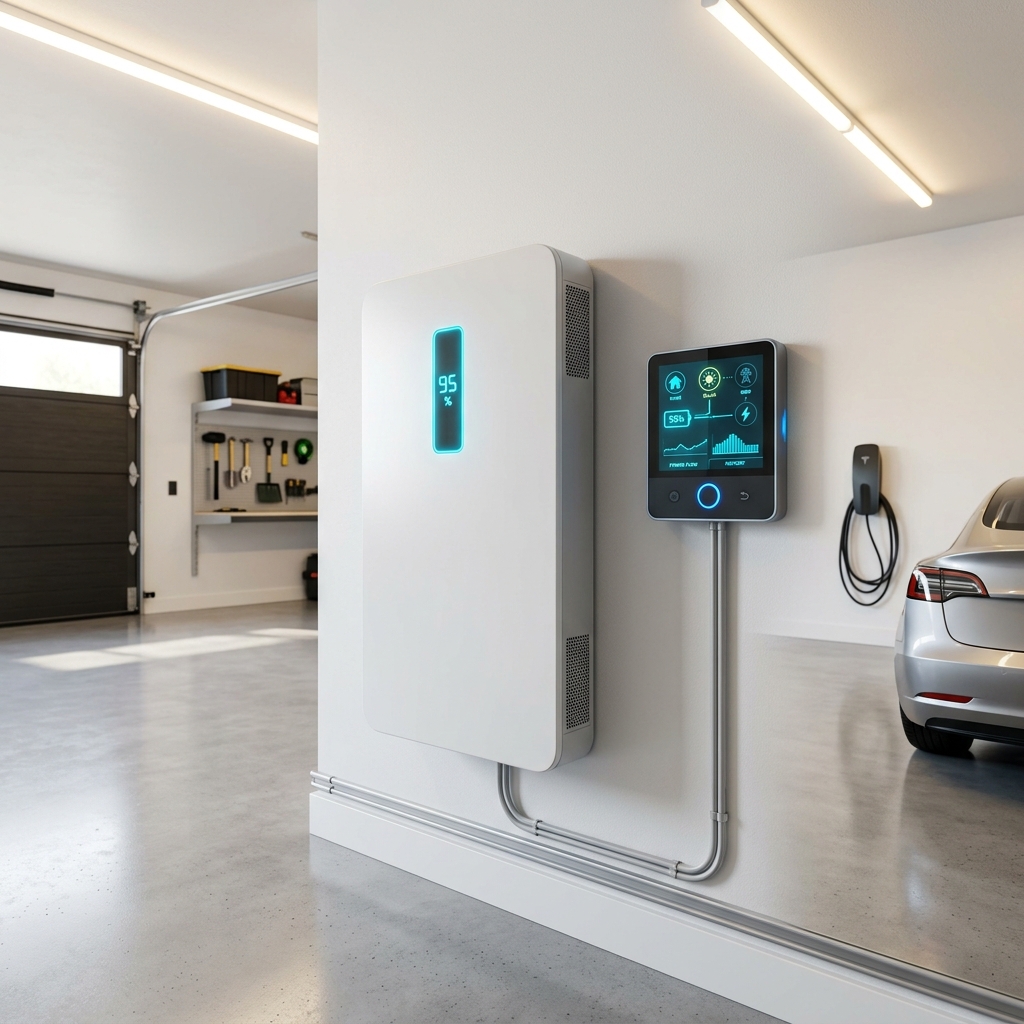
- Whether you add battery storage. A home battery (such as a 10kWh unit) stores excess midday generation for evening use. It typically adds £3,000–£5,000 to the installation cost but can push self-consumption from 40% to 70–80%, materially improving returns.
The Battery Question: Worth Adding From the Start?
This is the single most discussed topic among prospective solar buyers right now, and the answer has changed. Until 2023, most financial models showed battery storage adding cost without proportionate financial return. In 2025, that calculus has shifted for two reasons.
First, battery prices have dropped significantly. Second, time-of-use tariffs now allow homeowners to charge batteries from the cheap overnight grid rate and discharge them during expensive peak periods — even on cloudy days. A well-managed battery storage system can now shave £200–£400 per year from peak-rate electricity spending, independent of what the sun does.
The recommendation: if your installation cost is going to be £7,000 or less for the panels alone, adding a battery at the same time almost always works out cheaper than retrofitting one later.
Who Should Wait — and Who Should Not
Solar is not right for everyone right now. If you are renting and cannot get landlord permission, are planning to move in under three years, or have a roof that needs significant repair work, the economics do not stack up. Equally, if your electricity bill is under £500 per year, the scale of savings is modest enough that the decision requires careful thought.
For the majority of homeowners who own their property, have a south or east or west-facing roof, and pay average or above-average electricity rates, the maths in 2025 strongly supports going ahead. The technology is mature, the warranties are robust, and the savings are real.
Calculate How Many Panels Your Home Needs
Enter your daily kWh usage and location. Get an instant panel count, system size, and estimated annual savings.
Quick Add Appliances
Configure Load Details
No appliances added yet
Click items in the grid above to add them to your solar estimation plan.
Battery Backup (Off-Grid / Hybrid)
Store excess solar energy for use during night-time or power outages.
Energy Consumption & Generation Overview
Daily Load Breakdown
Add appliances to view load breakdown chart.
How to Use the Solar Calculator
Follow these three steps to accurately size your solar power system for home or business use.
Calculate Total Consumption
Before purchasing solar panels, you must know your actual daily consumption in kilowatt-hours (kWh). Our solar panel calculator allows you to input exact quantities, power ratings (Watts), and daily operating hours for fans, LED lights, air conditioners, and kitchen appliances.
(Watts × Qty × Hours) ÷ 1000 = kWh per dayGrouping appliances gives your total daily and monthly utility footprint.
Recommended Solar System Size
System size in kW depends on average daily sun hours and efficiency losses. Average global locations receive between 4.0 to 6.0 peak sun hours per day. We assume a standard 5.0 peak sun hours with an 80% system efficiency factor.
Daily kWh ÷ (Peak Sun Hours × 0.8) = Solar kW SizeWe automatically round up to align with whole numbers of modern 550W modules.
Select Inverter & Batteries
Inverters convert DC solar panel power to AC home power. We apply a 20% safety headroom above the system size. For energy storage, we calculate backup requirements during night-time or power outages based on your backup hours target.
Lithium: 85% DoD • Lead-Acid: 50% DoDLead-acid batteries must align with series voltage connection multiples (4× for 48V systems).