Home Battery Storage in the UK 2026: Costs, Grants & Payback Periods
Published: June 13, 2026 · 11 min read · UK Focus
Battery storage prices have dropped 40% in two years. The average UK 10 kWh system now pays for itself in 7–9 years — and with the right tariff, that can shrink to under 6. Here is the complete 2026 guide.
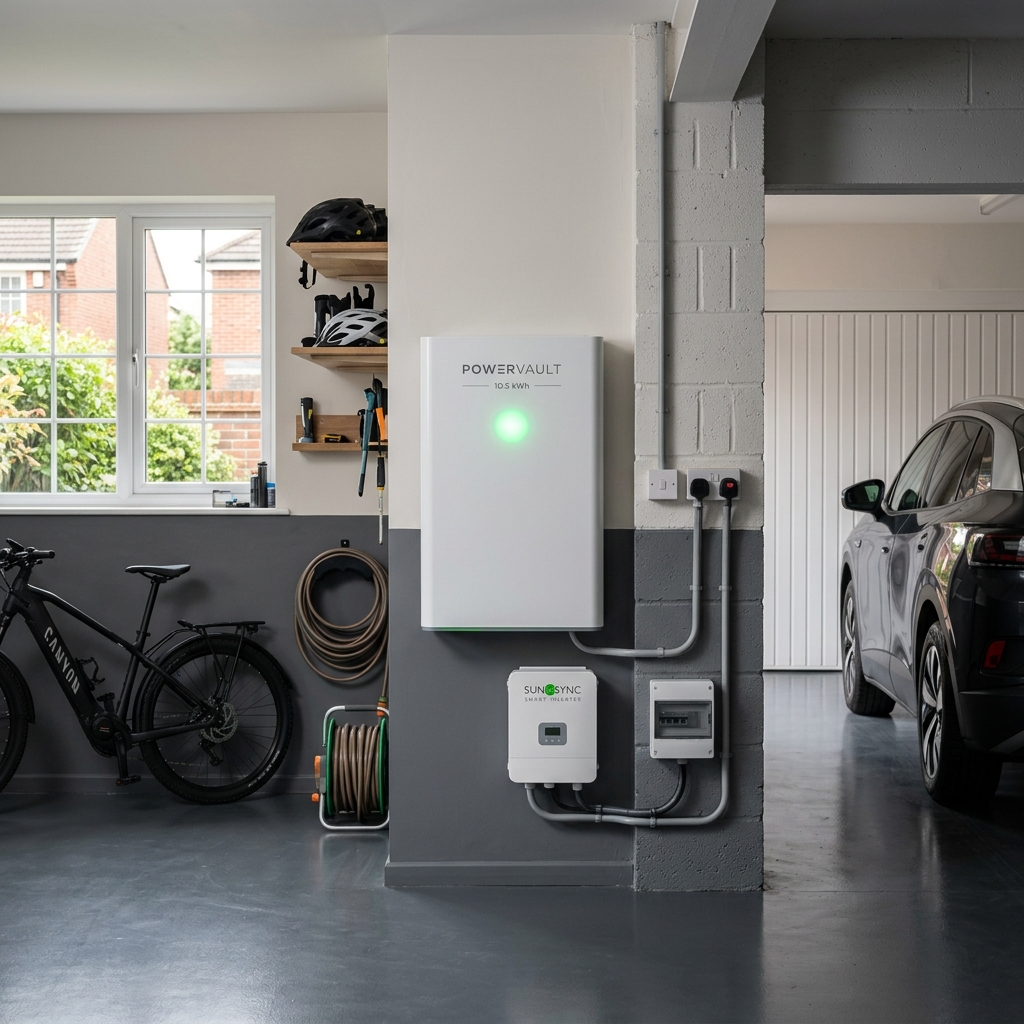
Why Home Battery Storage Has Become Mainstream in 2026
Until 2024, home battery storage was a niche product for early adopters willing to pay a premium. That has changed dramatically. Three forces converged to make 2025–2026 the tipping point:
- Price collapse: Lithium iron phosphate (LFP) battery costs fell from ~£600/kWh in 2022 to ~£350/kWh in 2026, driven by Chinese manufacturing scale and European competition.
- Time-of-use tariffs: Octopus Agile, Intelligent Octopus, and similar tariffs now offer off-peak rates as low as 7p/kWh overnight vs 28–35p during peak hours. A battery that charges cheap and discharges expensive is a money-printing machine.
- 0% VAT: The UK government extended its 0% VAT on home battery installations (with or without solar) through 2027, saving approximately £350–£700 per install compared to the pre-2022 rate.
How Much Does a Home Battery Cost in 2026?
The all-in cost (supply and installation, including hybrid inverter) depends on battery capacity and brand. Most UK households opt for 5–15 kWh of storage. Here is the current market:
| Capacity | Supply + Install (inc. VAT) | Typical Brands | Est. Annual Saving | Payback Period |
|---|---|---|---|---|
| 5 kWh | £3,500–£5,000 | GivEnergy, SOLIS | £400–£600/yr | 7–10 years |
| 10 kWh | £5,500–£8,000 | Tesla Powerwall 3, BYD HVS | £700–£950/yr | 7–9 years |
| 13.5 kWh | £7,000–£9,500 | Tesla Powerwall 3 | £900–£1,200/yr | 7–9 years |
| 15+ kWh | £8,500–£13,000 | GivEnergy, SolarEdge | £1,000–£1,400/yr | 7–10 years |
The optimum for most UK households: a 10 kWh battery paired with an existing solar system. With Octopus Agile, the combination typically saves £900–£1,300/year — slashing the payback period to 5–6 years.
UK Government Grants for Home Batteries in 2026
While there is no single national grant specifically for standalone batteries in 2026, several schemes significantly reduce costs:
- Great British Insulation Scheme (GBIS): Some ECO4-eligible households can access subsidised battery storage as part of a whole-home energy upgrade. Incomes below £31,000 or EPC D–G properties qualify.
- 0% VAT: Saves approximately £350–£700 on a typical install. This alone is the equivalent of a £700 grant.
- Smart Export Guarantee (SEG): Not a grant, but you must register for SEG with your energy supplier to get paid for solar export — batteries increase the value of SEG by allowing you to time exports during higher-rate periods.
- Warm Homes Plan (from late 2025): The government's flagship successor to the ECO scheme includes battery storage within eligible packages for social housing and low-income households.
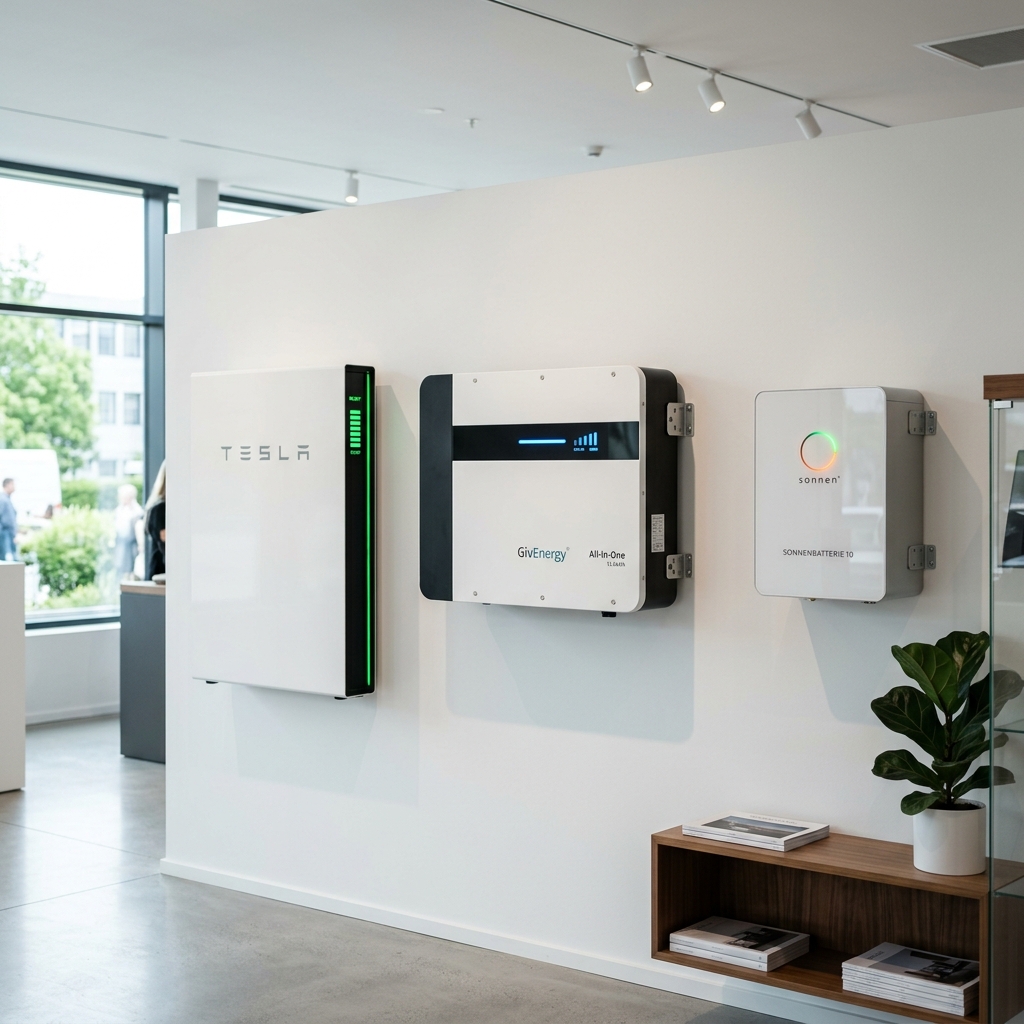
Battery-Only vs Solar + Battery: Which Should You Install?
If you already have solar panels, adding a battery is almost always the right financial decision in 2026. Your self-consumption rate jumps from roughly 30–40% to 70–85%, meaning far less electricity exported at low export rates and far less bought at high import rates.
If you do not have solar panels, a battery-only installation can still pay on time-of-use tariffs alone — but the payback period is typically 2–3 years longer. The strongest case is always: install solar and battery together. A combined system qualifies for a single scaffold hire and a single installation visit, reducing overall costs by £500–£1,000.
Size Your Solar & Battery System
Use our free calculator to find the right solar panel and battery system size for your UK home — with savings estimates tailored to your energy consumption.
Quick Add Appliances
Configure Load Details
No appliances added yet
Click items in the grid above to add them to your solar estimation plan.
Battery Backup (Off-Grid / Hybrid)
Store excess solar energy for use during night-time or power outages.
Energy Consumption & Generation Overview
Daily Load Breakdown
Add appliances to view load breakdown chart.
How to Use the Solar Calculator
Follow these three steps to accurately size your solar power system for home or business use.
Calculate Total Consumption
Before purchasing solar panels, you must know your actual daily consumption in kilowatt-hours (kWh). Our solar panel calculator allows you to input exact quantities, power ratings (Watts), and daily operating hours for fans, LED lights, air conditioners, and kitchen appliances.
(Watts × Qty × Hours) ÷ 1000 = kWh per dayGrouping appliances gives your total daily and monthly utility footprint.
Recommended Solar System Size
System size in kW depends on average daily sun hours and efficiency losses. Average global locations receive between 4.0 to 6.0 peak sun hours per day. We assume a standard 5.0 peak sun hours with an 80% system efficiency factor.
Daily kWh ÷ (Peak Sun Hours × 0.8) = Solar kW SizeWe automatically round up to align with whole numbers of modern 550W modules.
Select Inverter & Batteries
Inverters convert DC solar panel power to AC home power. We apply a 20% safety headroom above the system size. For energy storage, we calculate backup requirements during night-time or power outages based on your backup hours target.
Lithium: 85% DoD • Lead-Acid: 50% DoDLead-acid batteries must align with series voltage connection multiples (4× for 48V systems).